Seasonal Street Workwear
Key Takeaways
- Understanding seasonal requirements is essential for proper workwear selection.
- Layering techniques can help adapt to changing weather conditions.
- Choosing durable materials ensures longevity and comfort in workwear.
- Accessorizing appropriately can enhance functionality and style.
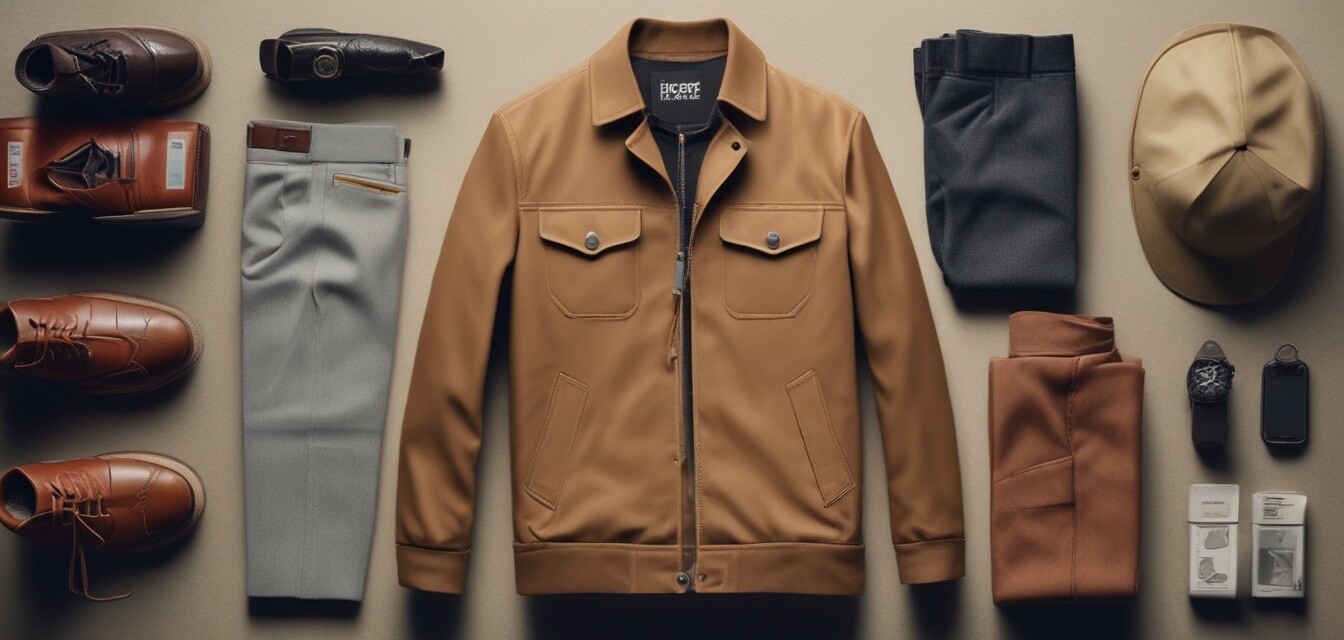
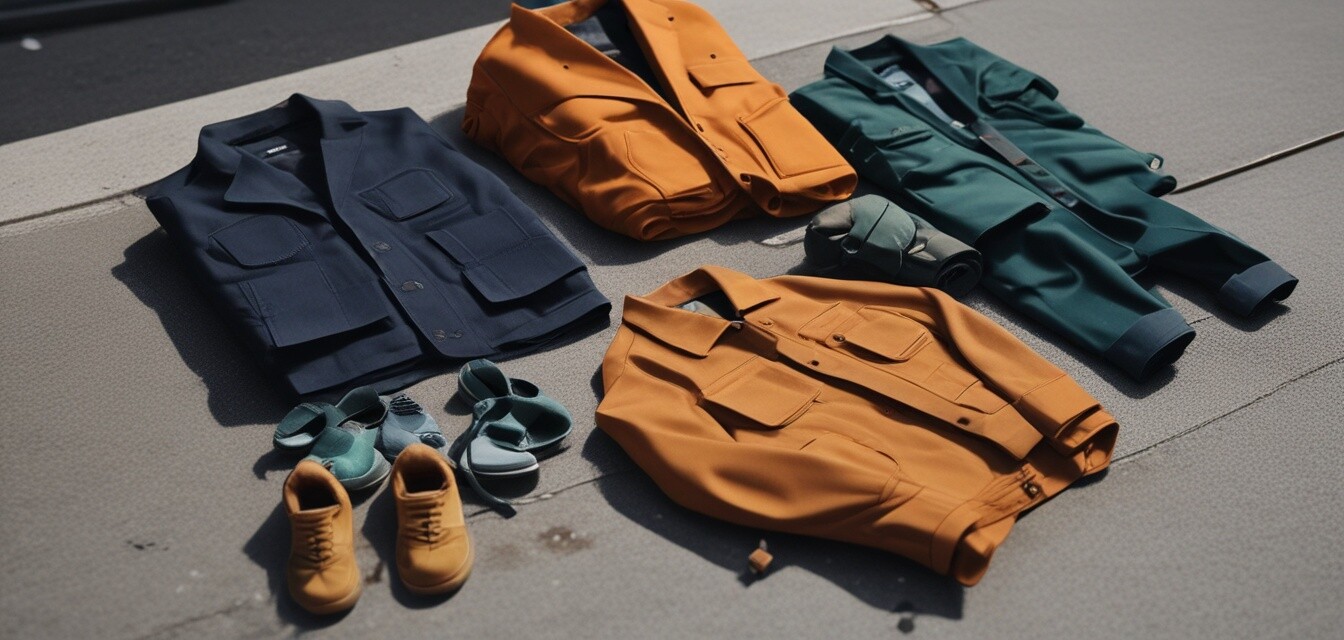
In the world of workwear, navigating through the seasons can be tricky. Each season presents its own unique challenges, from the sweltering heat of summer to the biting cold of winter. Having the right gear ensures you stay comfortable and efficient on the job. This guide will walk you through essential styles and tips to help you adapt your workwear for various weather conditions.
Winter Workwear Essentials
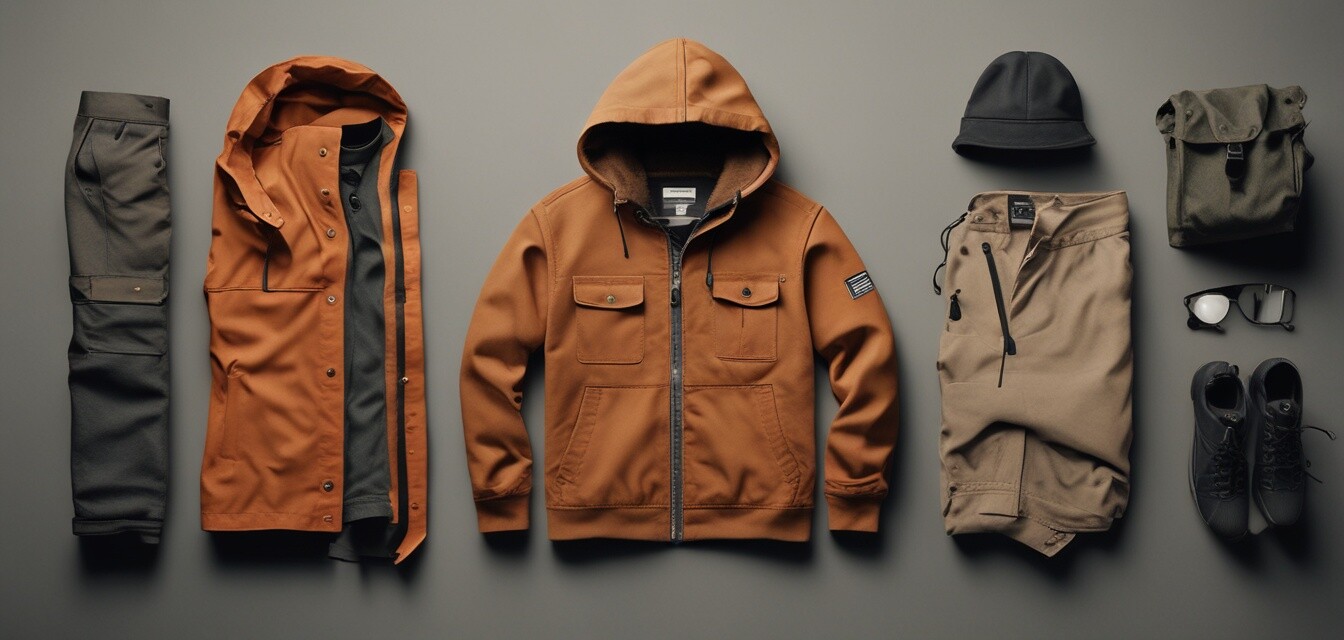
Winter can be harsh, particularly for those working outdoors or in unheated environments. When choosing your workwear for winter, consider the following:
| Item | Recommended Features |
|---|---|
| Jackets | Insulated, waterproof, and wind-resistant materials |
| Warm Tops | Layering options such as thermal or fleece-lined shirts |
| Trousers | Thicker fabrics with water-repellent properties |
| Footwear | Insulated boots with slip-resistant soles |
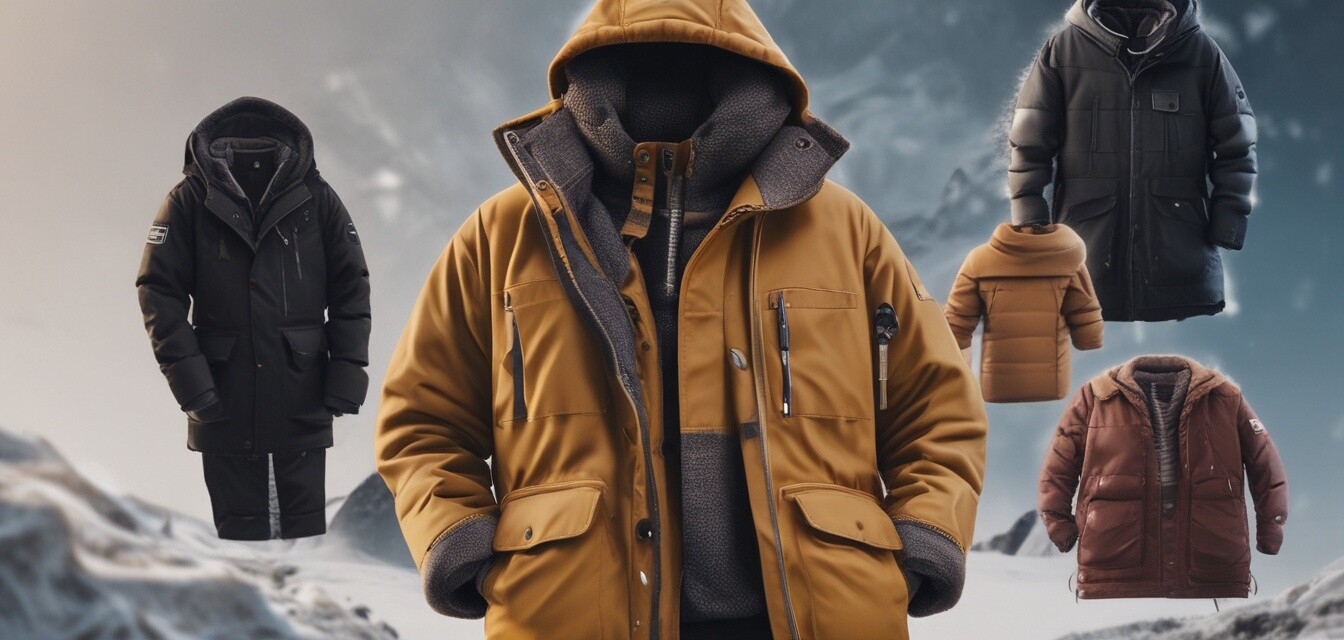
Layering for warmth
Layering is a crucial technique for winter workwear. The right base, mid, and outer layers can trap heat and keep you warm. Here’s how to layer effectively:
- Base Layer: Moisture-wicking materials help regulate body temperature.
- Mid Layer: Insulating layers like flannel shirts or fleece keep warmth in.
- Outer Layer: A durable and waterproof jacket protects against wind and snow.
Spring Workwear Style
Spring can be unpredictable, with fluctuating temperatures and sudden rain showers. Selecting versatile workwear is essential. Here’s what to consider:
| Item | Recommended Features |
|---|---|
| Jackets | Water-resistant, lightweight, and breathable |
| Tops | Long-sleeved shirts that can be rolled up |
| Trousers | Lightweight and durable fabrics, quick-drying options |
| Footwear | Breathable shoes that can handle wet surfaces |
Tips for spring workwear
- Pick breathable fabrics that wick moisture away from the body.
- Keep a packable rain jacket on hand for unexpected showers.
- Utilize accessories like hats to shield yourself from the sun or rain.
Summer Workwear Solutions
Summer brings heat, which can be challenging while working. Here’s how to stay cool and comfortable:
| Item | Recommended Features |
|---|---|
| Shirts | Lightweight, breathable fabric with moisture-wicking properties |
| Shorts | Durable, functional shorts with pockets |
| Footwear | Breathable trainers with good ventilation |
| Accessories | Wide-brimmed hats and UV protective sunglasses |
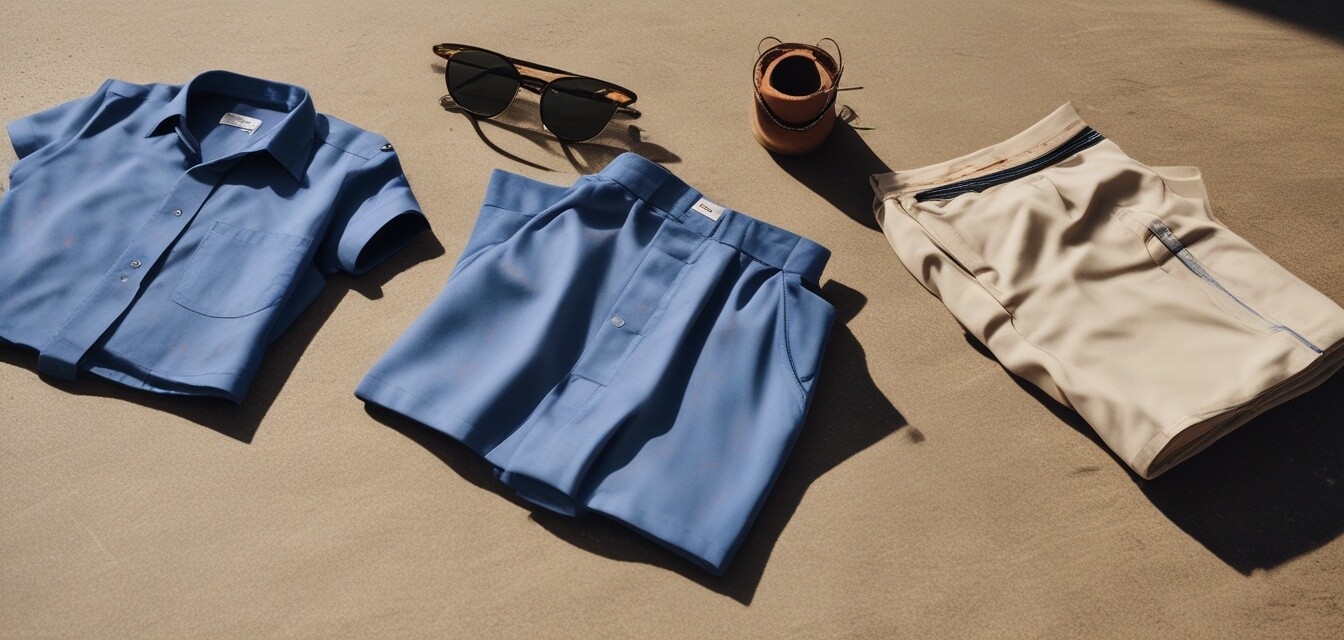
Choosing the right fabrics
When it comes to summer workwear, the right fabric is crucial. Opt for materials that breathe easily and wick moisture. Here are some ideal fabrics:
- Cotton: Soft and breathable but can hold moisture.
- Linen: Extremely breathable and lightweight.
- Moisture-wicking synthetics: Designed to pull sweat away from the skin.
Fall Workwear Considerations
As temperatures drop in the fall, layering becomes vital once again. Here are tips for selecting your workwear for fall:
| Item | Recommended Features |
|---|---|
| Layered Tops | Long sleeves and thermal options for warmth |
| Pants | Thicker fabrics for insulation against the chill |
| Outerwear | Water-repellent jackets suitable for rain and wind |
| Footwear | Sturdy boots that handle wet leaves and varying terrains |
Accessorizing for fall
Accessories are key during fall. They help maintain warmth without bulk. Some recommendations include:
- Beanies or knit caps to retain heat.
- Scarves to protect against cold wind.
- Gloves for extra warmth, especially when handling tools.
Pros
- Versatile styles can be utilized year-round.
- Durable materials ensure longevity.
- Layering allows for temperature regulation.
- Proper workwear enhances safety and comfort.
Cons
- Initial investment can be higher for quality pieces.
- Need to stay updated on seasonal trends.
- May require storage space for off-season items.
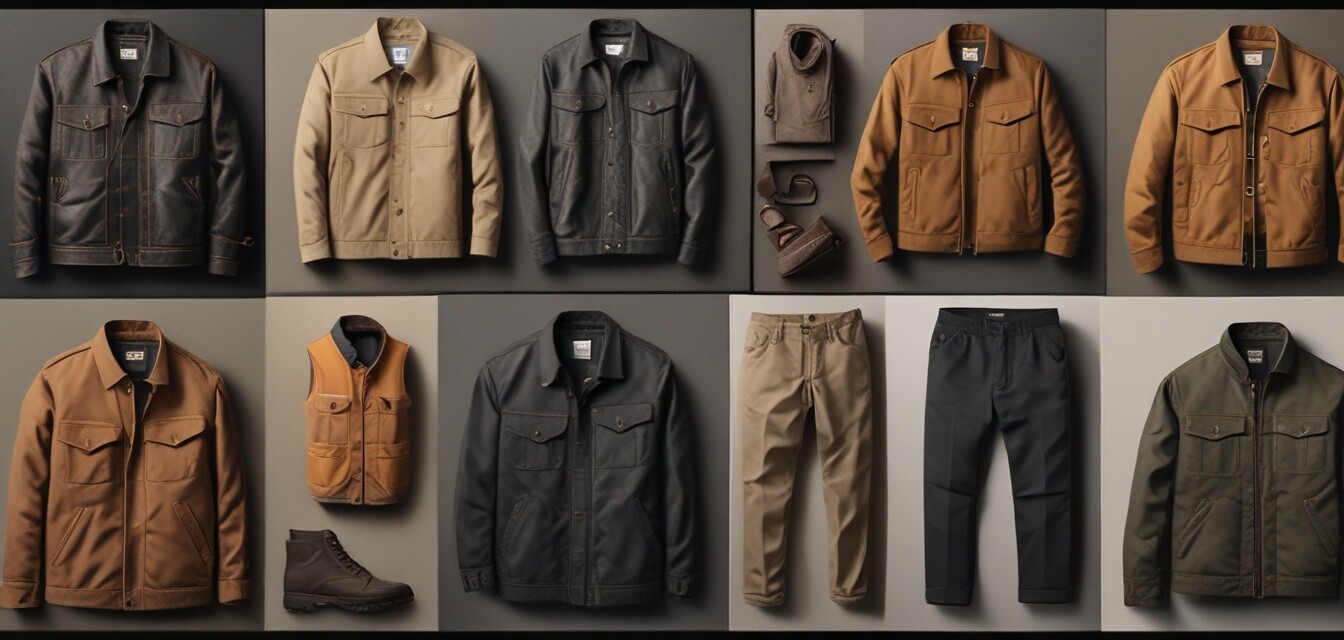
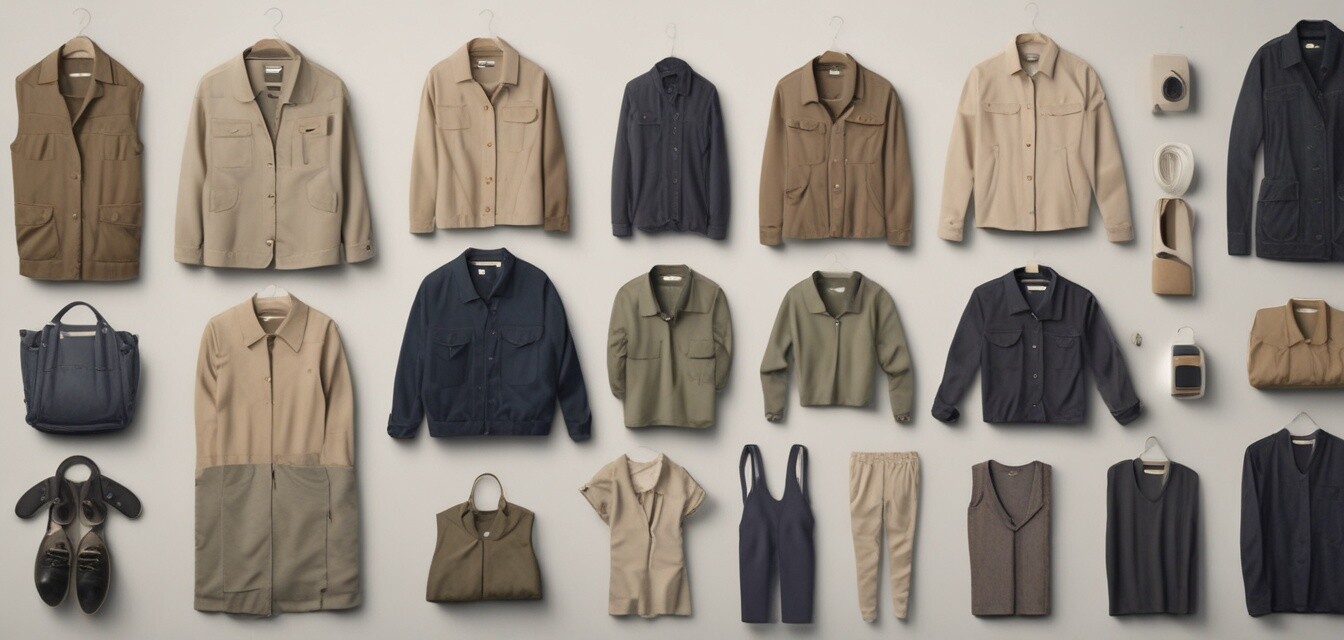
Finding the right workwear for the seasons is about balance: choosing the appropriate materials, layering correctly, and accessorizing effectively. For a deeper dive into specific product categories, explore our collection: