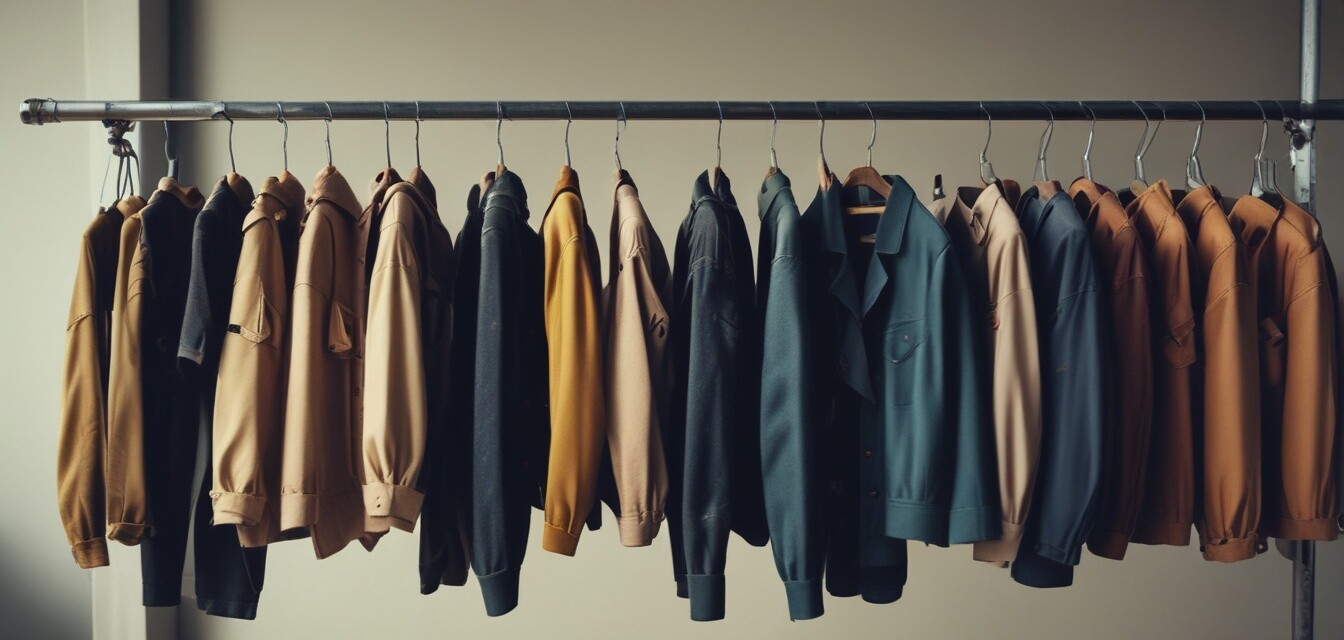
The Rise of Second-Hand Workwear in Street Style
Key Takeaways
- Second-hand workwear is gaining popularity for its unique style and sustainability benefits.
- Integrating vintage pieces into your wardrobe can be both fashionable and eco-friendly.
- Choosing quality over quantity can significantly reduce your environmental footprint.
- Learn how to care for and style second-hand workwear effectively.
- Explore resources to find curated second-hand workwear options.
The fashion landscape is rapidly changing with a renewed focus on sustainability and individuality. One of the most significant trends rising from this evolution is the popularity of second-hand workwear. Not only does second-hand clothing provide unique pieces that tell a story, but it also brings substantial environmental benefits. In this article, we will explore how to integrate vintage workwear into your street style.
Why Second-Hand Workwear is Gaining Popularity
As society leans towards sustainable practices, many are looking for fashion choices that reflect their values. Second-hand workwear perfectly aligns with this ideology. Here are a few reasons why it’s on the rise:
- Environmental Impact: Purchasing second-hand significantly reduces waste and pollution, thereby benefiting the planet.
- Unique Styles: Vintage workwear offers one-of-a-kind aesthetics that stand out in a sea of mass-produced clothing.
- Affordability: Often, second-hand items come at a fraction of the cost compared to new pieces from traditional retailers.
- Quality and Durability: Many older workwear pieces are built to last, giving you more value for your investment.
Benefits for the Environment
The environmental benefits of buying second-hand workwear cannot be overstated. Here are a few critical advantages:
| Benefit | Description |
|---|---|
| Reduces Waste | By reusing clothing, we lessen the demand for new items, which reduces waste in landfills. |
| Lowers Carbon Footprint | Second-hand purchases require fewer resources and energy than producing new garments. |
| Promotes Recycling | Buying second-hand encourages the recycling of materials and promotes circular fashion. |
| Supports Local Economies | Shopping at thrift stores or vintage shops helps support local businesses and economies. |
How to Integrate Vintage Workwear into Your Style
Integrating second-hand workwear pieces into your wardrobe can elevate your style game while being mindful of your environmental impact. Here are some effective tips:
- Start with Basics: Look for classic pieces like denim jackets, work boots, and paisley shirts.
- Mix and Match: Combine vintage pieces with your everyday items to create a diverse, layered outfit.
- Accessorize Wisely: Use modern accessories to bridge the gap between old and new styles.
- Stay True to Your Style: Choose pieces that resonate with your personal aesthetic rather than following trends blindly.
- Shop Sustainable Brands: Consider looking into shops that specialize in curated second-hand options for quality vintage workwear. You can discover more in our Buying Guides.
Styling Your Second-Hand Finds
To truly make second-hand workwear your own, styling is crucial. Here are some ideas:
- Layering: Use lightweight vintage layers to create depth in your outfit.
- Pair with Contemporary Pieces: Combine your vintage workwear with modern clothes for a balanced look.
- Fit is Key: Tailor second-hand items to fit your body, enhancing comfort and appearance.
- Invest in Quality: Look for higher-quality materials that not only last longer but also wear better over time.
How to Care for Your Second-Hand Workwear
To prolong the life of your vintage workwear, proper care is essential. Here are some care tips:
Care Tips
- Wash gently in cold water to prevent wear and tear.
- Hang to dry instead of using a dryer to maintain shape.
- Store in a cool, dry place to protect from moisture and pests.
- Repair minor damages quickly to avoid further deterioration.
Recycling When the Time Comes
Eventually, your second-hand workwear may reach the end of its life. Here are ways to recycle effectively:
- Donate: Consider donating gently used items to local charities or clothing banks.
- Resell: Use platforms designed for reselling clothes to give your pieces a second chance.
- Repurpose: Get creative by fashioning old items into something new, such as bags or quilts.
Conclusion
The surge in second-hand workwear isn't just a fleeting trend; it represents a cultural shift towards sustainability and individuality in fashion. By choosing second-hand pieces, you're not only securing unique styles but also making a positive impact on the environment. Embrace the vintage, explore the styles, and be a part of the sustainable fashion revolution.
Explore More About Sustainable Workwear
Ready to dive deeper into sustainable workwear practices? Check out our insightful articles in the Sustainable Workwear Practices section. Also, discover our Casual Tops & Hoodies and Functional Trousers for practical, stylish wardrobe choices that align with your values!